Stakeholders warn of investment decline amid global tensions
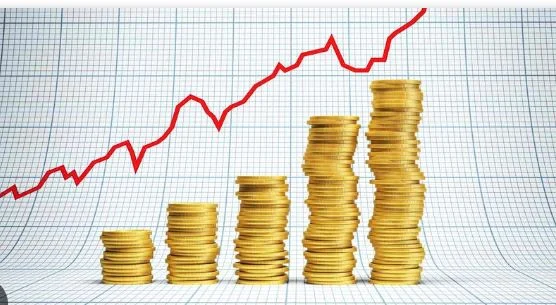
The risks of a prolonged crisis in the Middle East have raised investor caution and threaten global capital flows, industry operators and stakeholders have warned, prompting calls on the Federal Government to improve Nigeria’s energy security.
The conflict involving the United States, Israel, and Iran has entered its second month, disrupting key shipping routes such as the Strait of Hormuz and pushing crude oil prices above $100 per barrel, with implications for global energy markets.
The President of the United States of America, Donald Trump, had said the American government would begin to wind down its military campaigns pending successful negotiations with a yet-to-be-revealed faction within the Iranian regime. However, Iran has continued to restrict access to the Strait of Hormuz, allowing only cargo from countries not aligned with the US and Israel.
In separate interviews with Saturday PUNCH, stakeholders, including the Director of the Centre for the Promotion of Private Enterprise, Dr Muda Yusuf, warned that a prolonged conflict would heighten global investment risks and weaken capital inflows.
“If the Middle East crisis gets prolonged, it will affect capital flows generally across the world because investors will become more cautious, as we don’t know how this will end,” Yusuf said.
He observed that trade risked shrinking due to an expected ebb in investment. He explained: “People would rather put their money in what they regard as secure investments like gold or stable currencies rather than take the risk of investing in economies where they are unsure how the Iran-Israel conflict will affect them. So, the risk of investment is higher now because of this conflict, and investors are likely to be more cautious, which will affect capital flows.”
Yusuf noted that the global economy could take months to recover from the disruptions already recorded across key sectors. “Before the global economy recovers from this, we may be getting towards the end of the year because a lot of disruption has already happened, particularly in the energy sector. The aviation sector has been affected, tourism has been affected, and many other sectors have also been impacted,” Yusuf observed.
However, the economist pointed out that Nigeria could derive limited benefits as an oil-producing nation, although structural challenges may constrain gains. “The only advantage we have is that we are an oil-producing country, and our shipments are not directly impacted like in the Middle East. Oil prices are high, but we don’t have enough output, and our cost of production is high, which affects the value we can derive from this situation,” Yusuf noted.
Also, the Director-General of the Manufacturers Association of Nigeria, Segun Ajayi-Kadir, warned that Nigeria’s dependence on imported petroleum products exposes the economy to severe external shocks.
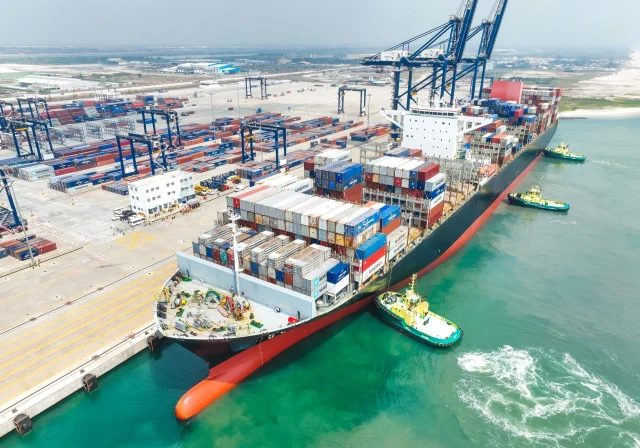
Drawing lessons from the COVID-19 pandemic, Ajayi-Kadir said, “Continued reliance on imports exposes the economy to foreign exchange volatility, high freight and insurance costs, customs-related charges, and inefficiencies in domestic logistics, all of which contribute to high fuel prices and supply uncertainties.”
He stressed that strengthening domestic refining capacity remains critical to achieving energy security and cushioning the economy against global disruptions. “Supporting domestic refining capacity is central to achieving energy security and insulating the economy from global shocks. The Dangote Refinery and other emerging local refineries are strategically important in transforming Nigeria’s petroleum landscape,” Ajayi-Kadir said.
While noting that fluctuations in petrol prices reflect global market realities, MAN’s DG urged the government to focus on creating an enabling environment for local refineries. “The priority should be to create an enabling environment that allows domestic refineries to operate optimally and deliver long-term stability,” Ajayi-Kadir said.
He called for decisive policy actions, including guaranteed crude supply to local refineries, reduced dependence on imports, and improved regulatory oversight. Ajayi-Kadir advised, “Government should institutionalise crude supply to local refineries, promote self-sufficiency in petroleum products, encourage patronage of locally refined products, strengthen regulatory oversight, and stabilise foreign exchange while addressing logistics bottlenecks.”
He added that boosting local refining capacity would reduce costs linked to freight, insurance, and customs duties, while ensuring a more stable fuel supply. “With its significant capacity, the Dangote Refinery, alongside modular refineries, has the potential to meet Nigeria’s domestic fuel demand, reduce reliance on imports, and stabilise the energy market,” Ajayi-Kadir concluded.










Post Comment