New Zealand forecasts higher fuel prices over Middle East conflict
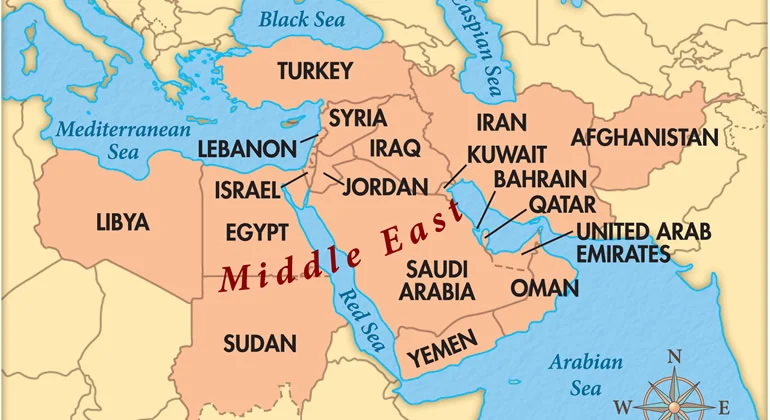
The conflict involving the United States, Israel and Iran could push up global oil prices and raise fuel costs for New Zealand if energy supplies from the Persian Gulf are disrupted, according to a new report from the New Zealand Ministry of Foreign Affairs and Trade.
The Tuesday report warns that the conflict represents “a key risk to the global economy and New Zealand’s trade into the region,” particularly if shipping through the Strait of Hormuz — a major global energy corridor — is disrupted.
“Of most concern for the New Zealand economy is the potential for a protracted period of disruption to global energy supply, particularly the disruption to oil transiting the Strait of Hormuz,” the report obtained from the ministry’s website stated.
Around 20 per cent of global oil supply passes through the waterway, making it one of the world’s most critical energy routes.
Although New Zealand no longer imports crude oil directly from the Gulf, it remains exposed through its fuel supply chain.
The report noted that the country now imports refined petroleum from Asian economies such as South Korea, Singapore, Malaysia and Japan, which rely heavily on Middle Eastern oil.
“If supply from the Persian Gulf is disrupted then these Asian refineries will be forced to compete for oil supply from elsewhere, putting upward pressure on global oil prices, with consequences for imported petroleum products into New Zealand,” the report says.
A sustained rise in oil prices could ripple across the economy.
“An extended period of rising fuel costs would likely be a drag on household consumption at a time of ongoing cost-of-living pressures,” the report stated.
It added that higher energy prices would affect more than transport costs.
The report also noted, “Rising oil prices won’t just show up at the petrol pump but will also pervade the economy via rising business costs for services such as transportation and energy-intensive goods such as fertilisers.”
Energy markets have already reacted to the escalation.
Brent crude futures had risen more than US$12 a barrel earlier this year amid geopolitical tensions and have increased by a further US$10 to over US$83 per barrel since the conflict began, the report says.
Some analysis suggests oil prices could climb even higher if the situation escalates.
“Global oil prices could almost double compared to January lows to exceed USD100 per barrel in the event of a complete closure of the Strait of Hormuz,” the report noted.
The conflict could also add pressure to global financial markets.
“The conflict may also lead to increased volatility in global financial markets, increasing the risk of asset market volatility, increased risk premiums for borrowing costs, and a weaker New Zealand dollar,” the report said.
However, it adds that markets have so far reacted cautiously.













Post Comment