Directors liable for sustainability, climate reporting – FRC
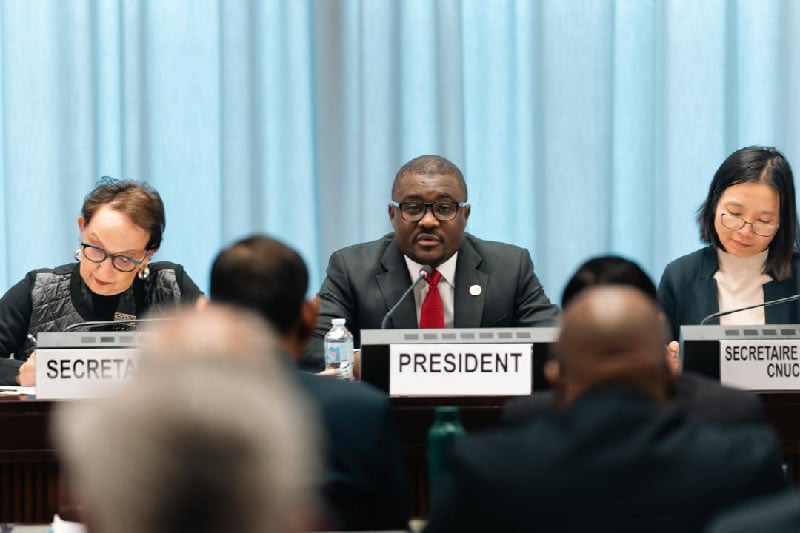
The Financial Reporting Council of Nigeria has made it clear that no form of whitewashing will be tolerated in sustainability reporting. Also, board directors will be held directly accountable for the accuracy of sustainability and climate disclosures once these requirements become mandatory.
This was disclosed by the Executive Secretary/Chief Executive Officer of the FRC, Dr Rabiu Olowo, on Wednesday at the Directors’ Engagement Series jointly facilitated by the FRC and the Climate Governance Initiative Nigeria, held under the theme, ‘IFRS S1 and S2: What Every Board Director Needs to Know’.
According to Mitiga Solutions, IFRS S1 and S2 are the first two sustainability disclosure standards from the International Sustainability Standards Board, issued in June 2023.
Speaking at the engagement, the FRC boss said, “One key message today is clear: boards are accountable for sustainability and climate governance. The CGI has partnered with us to deepen this conversation in the boardroom, where governance responsibility truly resides. What we are doing today will significantly support the future of sustainability and climate standards adoption in Nigeria.
“Nigeria, through the FRC, became the first African country to announce the adoption of the ISSB standards at COP27 in Egypt in 2022. We didn’t stop at the declaration. We set up the Adoption Readiness Working Group comprising major stakeholders in Nigeria’s corporate reporting and governance ecosystem: the Central Bank, SEC, NGX, professional accountancy bodies, the Big Four, assurance firms, real estate companies, and independent sustainability experts. The ARWG worked for eight months and produced the Roadmap Report for the Adoption of IFRS Sustainability Disclosure Standards in Nigeria, now widely recognised and celebrated.”
Olowo added that the country produced the first set of early adopters in Nigeria, MTN, Seplat, Fidelity Bank and Access Bank, who serve as models for all corporate entities as adoption becomes mandatory in 2028 for the 2027 reporting year.
“Since publishing the roadmap, we have focused on voluntary adoption, awareness, capacity building, training, and advocacy. To date, we have conducted more than 32 webinars, workshops, and engagements, all free of charge in the public interest. We have trained over 168 entities and more than 1,800 participants across sectors. Nigeria was featured in the ISSB Global Reporting Jurisdictional Profile, and the FRC won the UNCTAD ISAR Award for Sustainability Leadership, a national achievement.
“My message to boards is simple: climate and sustainability governance is a core fiduciary responsibility. Directors are accountable. You must ensure your sustainability disclosures are decision-useful, verifiable, comparable, and integrated with financial information. This requires stronger internal processes, better data quality, improved management capacity, and risk management frameworks that incorporate climate-related risks.”
He reaffirmed, “The FRC is dedicated to supporting all organisations. We are enhancing guidance, stakeholder engagement, and collaboration with CGI to ensure boards grasp the effects of sustainability and climate issues. Our goal is for Nigerian companies to be compliant, credible, and globally recognised in sustainability reporting. Whitewashing will not be tolerated; our efforts target real impact.”
The FRC boss also highlighted the direct link between adopting sustainability standards and attracting capital.
“I would personally invest in a company aligned with sustainability over one that is not, even if the latter posts higher profits. Sustainability alignment signals long-term viability. Boards should view IFRS S1 and S2 as strategic tools, not regulatory burdens. They help organisations anticipate risks, seize opportunities, and build trust. The future of business is sustainable, transparent, responsible, and data-driven. Your leadership will determine how well your organisations adapt and succeed,” he stated.
Also speaking at the event, Partner & Head, Enterprise Risk and ESG Services, KPMG in Nigeria, Tomi Adepoju, observed that in Nigeria, many board members and executives still doubt the relevance of sustainability. She affirmed that board directors need to let go of that mindset, as there are real climate risks impacting businesses, and they are very real in the country.












Post Comment