Airlines groaning under multiple taxation – Okonkwo
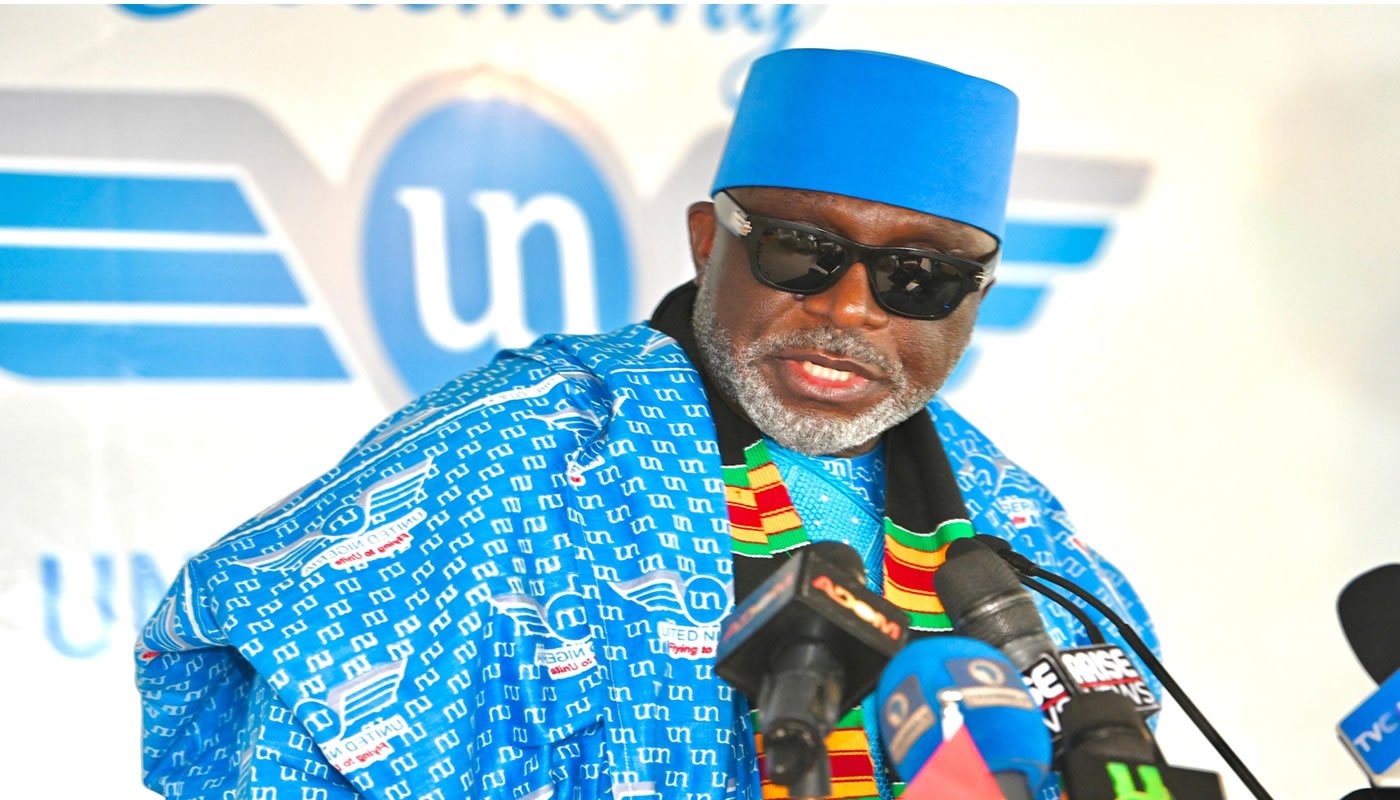
Amidst ongoing developments in Nigerian aviation, United Nigeria Airlines Chairman/CEO and Airline Operators of Nigeria spokesperson, Obiora Okonkwo, has provided insights into sector policies, infrastructure gaps, and the significant impact of multiple taxation on local operators, in this interview with OLASUNKANMI AKINLOTAN, which also covered industry realities and prospects for regional development.
What distinguishes your airline on the newly launched Accra route, and what is your plan to ensure long-term viability in this competitive market?
Passengers can only buy tickets from airlines that are available. We have not been available in the market, so we could not have competed. Now, we are in the market; our first strategy is promotion, letting people know that we are here with an exceptional service to offer. Our CRJ-900 for that route is a beautiful aircraft. The aircraft is superb; the configuration is great, the interior is marvellous, it is very suitable for this kind of operational flight, and it has a passenger capacity of 90. So, if we have an adequate and a reasonable number of passengers to fly there, that aircraft will be dedicated to that route. We also have the ERJ-145 to compete. Pretty much, we are offering the passengers not just an apple-for-apple comparison but something bigger and better than an apple. That is one way to tell you that we are ready and we are prepared. In terms of the saturation of the market, at least from available data, out of the whole region of West Africa, traffic from Nigeria to Accra is more than all the other regional flights. I mean the whole traffic from Nigeria to other regions. 50 per cent of the traffic is between Nigeria and Accra. So, it is still a place to compete. In other words, we have to be as reasonable and fair as possible with our pricing and costing. Above all that, we will do more than the passengers’ expectations. Every passenger will want to have a convenient schedule and then, with that convenient schedule, will want to get there on time. If you look at our records at United Nigeria, our on-time departure is almost 98 per cent, if not more. There is no record that is better than that. Those things we have developed out of our experiences in the domestic market, we will take them to the regional level.
Given the heavy burden of charges, including an $80 FAAN fee, a $20 NCAA security levy, and a separate 5% ticket sales tax, which are pricing many passengers out of air travel, how can you possibly sustain your new Ghana route amidst such high costs and intense competition?









Post Comment