Economy improving but more work needed, says CBN
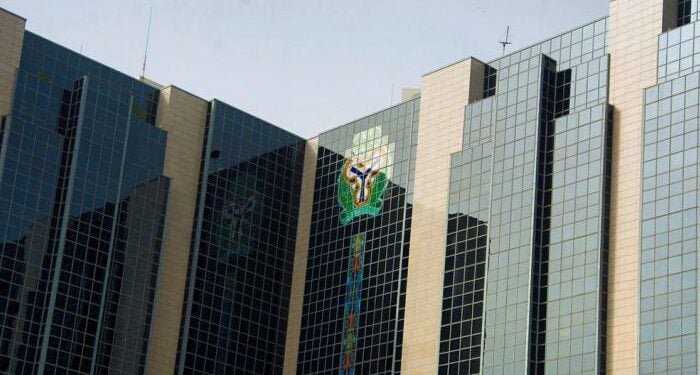
The Central Bank of Nigeria has said that despite recent gains in stabilising the economy, more work is required to strengthen macroeconomic fundamentals and improve the living standards of Nigerians.
The CBN Deputy Governor, Corporate Services, Ms Emem Usoro, stated this in a keynote address delivered on her behalf by the Director, Corporate Communications Unit, Mrs Hakama Sidi-Ali, at the Seminar for Finance Correspondents and Business Editors held on Thursday in Lagos.
Usoro said the seminar, themed “Aligning Monetary and Fiscal Policies Towards Achieving a Robust Financial System,” was a timely platform to deepen conversations on how coordinated government reforms could strengthen economic stability.
She recalled that when the Olayemi Cardoso-led management team assumed office two years ago, the environment was “challenging,” with high inflation, unstable exchange rates driven by forex scarcity, dwindling external reserves, weak oil receipts, FX backlogs, and heavy reliance on ways and means financing. She said these problems “stressed the financial system and highlighted the urgent need for reforms.”
The deputy governor explained that the bank responded with a series of “well-sequenced and compliance-driven measures,” including orthodox monetary policies, stricter corporate governance, and the ongoing bank recapitalisation exercise. She noted that these actions, aligned with the Federal Government’s broader reforms, had helped restore stability.
According to her, inflation has now declined to 16.05 per cent, the naira has stabilised below N1,500/$ with reduced volatility, and external reserves have risen above $46bn, providing over 10 months of import cover. She added that monetary policy adjustments were also helping to ease lending rates as price pressures continued to moderate.
“These achievements reflect the commitment of the Central Bank of Nigeria under the leadership of Governor Olayemi Cardoso and his team,” she said, adding that effective media communication remained crucial for explaining reforms and building public trust.
However, Usoro stressed that the progress recorded so far was not enough to significantly improve living standards. “While progress has been made, more work is required to improve macroeconomic fundamentals and the standard of living for Nigerians,” she said.
She emphasised that stronger collaboration among fiscal authorities, monetary policymakers, regulators, and the media was needed to sustain reforms and deliver better economic outcomes. Aligning fiscal and monetary policies, she noted, was vital for strengthening the financial system, improving regulation, and ensuring resilience as digital finance and new technologies reshape the financial landscape.












Post Comment